


Is Caffeine Good for Your Body — or Is It Playing You?
A brutally honest breakdown of the world's most popular drug.
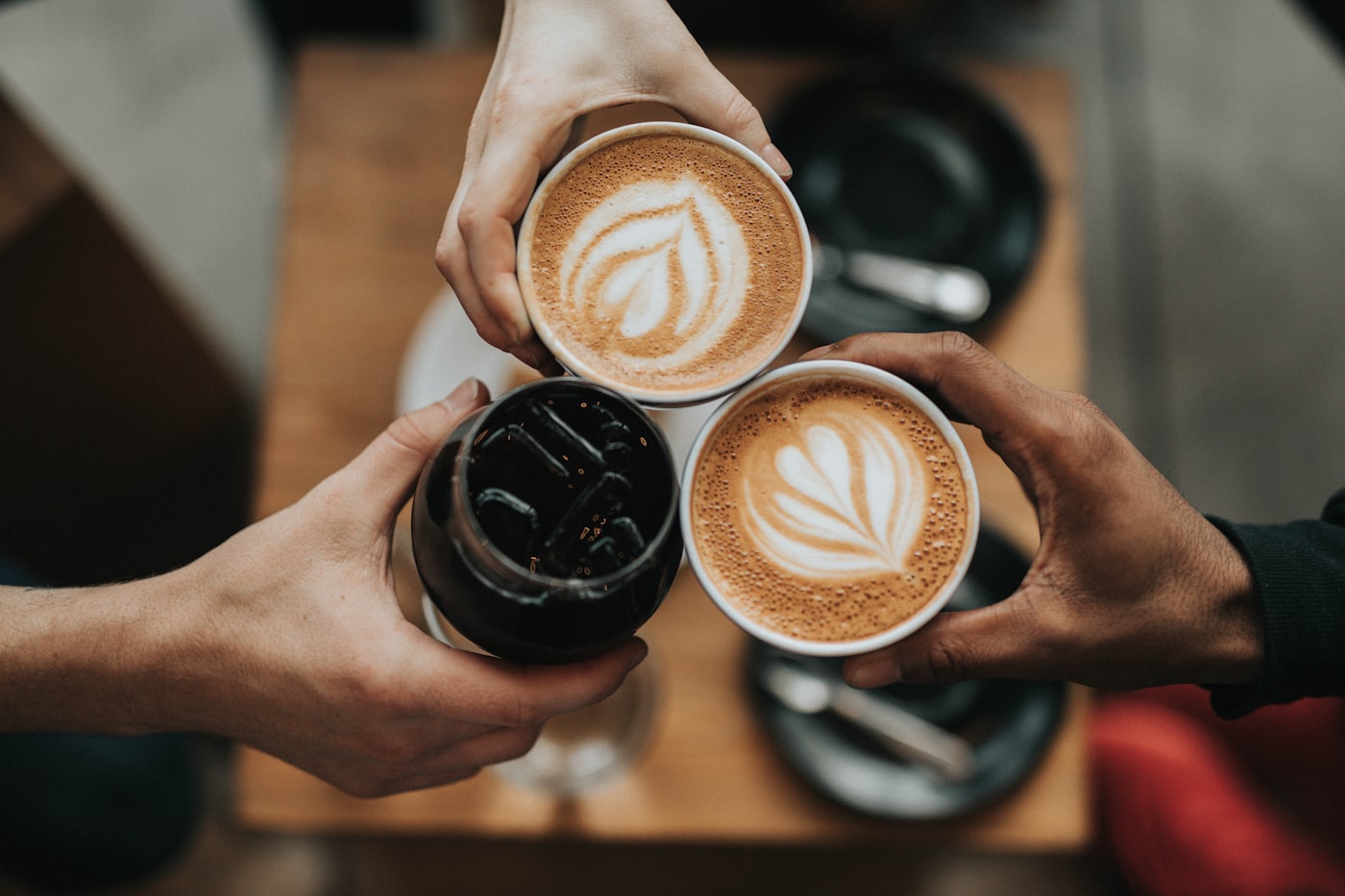
For three years, I thought my morning coffee was giving me energy. Then one day I realised — it wasn't giving me anything. It was just stopping the withdrawal from the last cup.
You Probably Don't Know What Caffeine is Actually Doing to You
It's 7 AM. You're groggy, slightly irritable, and the world feels like it's running at 0.5x speed. You make a cup of chai or coffee. Twenty minutes later you're sharp, awake, ready.
You call that energy. You probably call it your “morning ritual.” Maybe you've said “I can't function without my coffee” more times than you can count.
“That feeling of alertness? For most daily drinkers, it's simply caffeine ending the withdrawal from yesterday's caffeine.”
That doesn't make it useless. Not even close. But it does mean most of us are operating with a completely wrong mental model of what caffeine does — and that wrong model is costing us our sleep, our anxiety tolerance, and in many cases, our actual performance.
So let's actually understand it. Not the textbook version. The real one.
Caffeine Isn't an Energy Molecule. It's a Blocker.
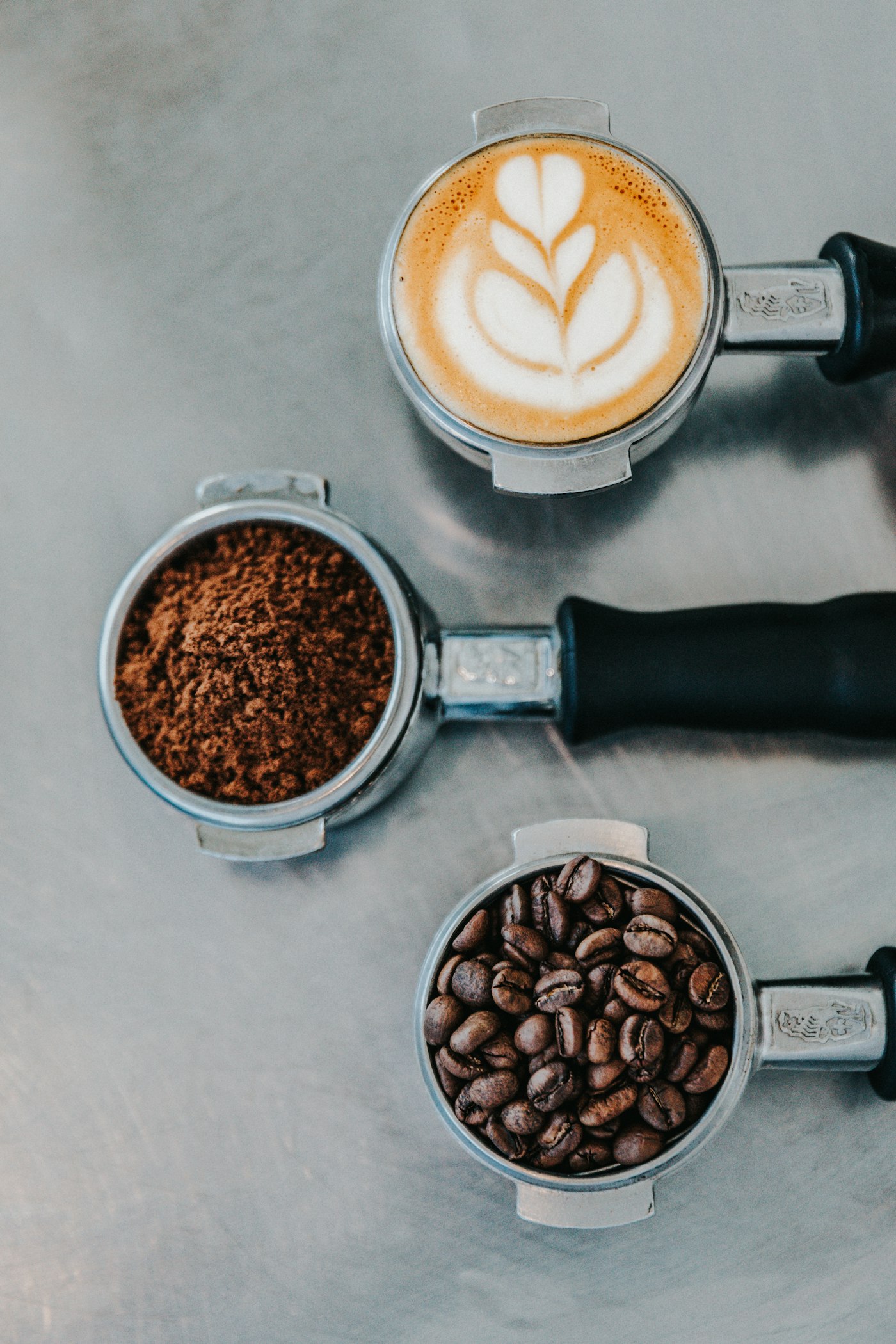
Caffeine blocks the signal that tells you you're tired. It doesn't create new energy.
Your brain constantly produces a chemical called adenosine — a tiredness signal. As the day goes on, adenosine builds up and docks into receptors in your brain. The more that docks, the sleepier you feel. It's your body's natural “time to rest” mechanism. Elegant, actually.
Caffeine doesn't generate energy. It doesn't give you anything new. What it does is physically look like adenosine — close enough to fool the receptor — and slides into that dock before adenosine can. Adenosine is still building up behind the scenes. You just can't feel it.
So you feel awake. Alert. Capable. Not because you have more energy — but because the signal telling you you're tired is being blocked at the gate.
This is why the crash happens. When caffeine clears your system, adenosine floods in all at once. And it hits hard.
“Caffeine doesn't give you energy. It borrows it — and the interest rate is steep if you're not careful.”
Let's Be Fair, Caffeine Actually Does Some Remarkable Things
I'm not here to demonise caffeine. The research on it is some of the most robust in nutritional science, and the benefits, when used correctly, are genuinely impressive.
Focus and Alertness
Caffeine increases dopamine and norepinephrine signalling. You're not just awake, you're more able to lock into a task. Great for deep work sprints, exam revision, or back-to-back meetings that actually require your brain.
Physical Performance
One of the most studied ergogenic aids in sports science. Caffeine can increase endurance output by 8–12% and meaningfully reduce perceived effort during hard training. There's a reason it's in almost every serious pre-workout, it works.
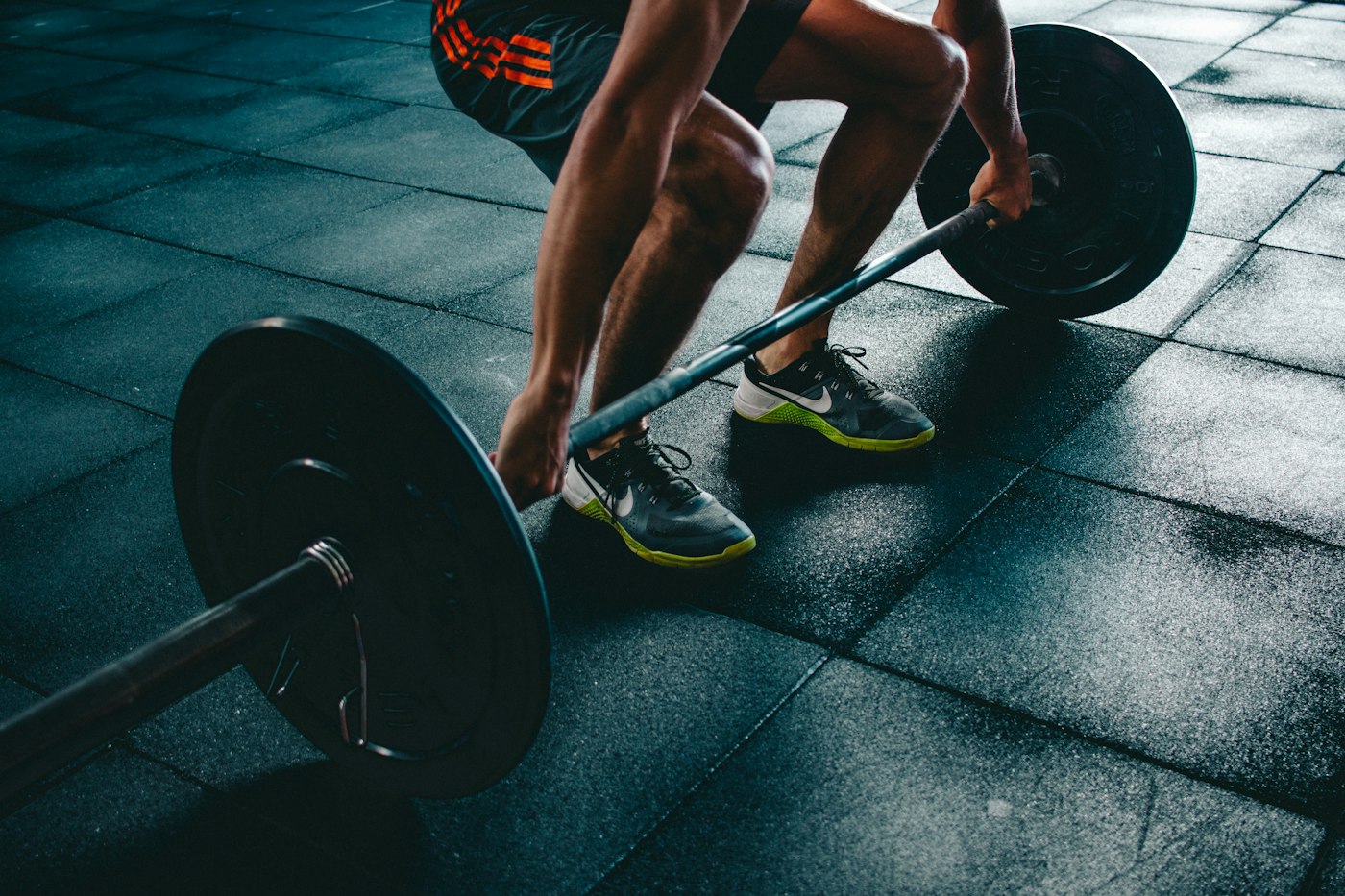
Used strategically, caffeine can improve training output and reduce perceived effort.
Metabolism
It stimulates thermogenesis and fat oxidation. The effect is modest but real, especially in a fasted state before morning exercise. It's one of the few fat-burning compounds with genuine evidence behind it.
Long-Term Brain Health
Habitual moderate consumption has been linked to reduced risk of Parkinson's disease and cognitive decline. Coffee, specifically, is also one of the richest sources of dietary antioxidants for most people who consume it.
For the student burning midnight oil. For the professional running back-to-back meetings. For the gym-goer who needs one more rep, caffeine, used with intention, is a genuinely powerful tool.
The problem is almost nobody uses it with intention. Most of us use it like a reflex.
Now the Part That Most Brands and Influencers Quietly Skip
Dependency and Why It Sneaks Up on You
Your brain is adaptive. When caffeine blocks adenosine receptors regularly, your brain responds by growing more adenosine receptors to compensate. More receptors means you need more caffeine just to feel normal. Within 2–3 weeks of daily use, you're no longer getting a performance lift, you're just preventing the low. That's dependency. It's mild and physical, but it's absolutely real.
Sleep Architecture, the Hidden Cost
Even if you can fall asleep after a late coffee, research consistently shows that caffeine reduces slow-wave, or deep sleep, the most physically restorative stage. You wake up technically having slept but biologically under-recovered. Over time, this builds into a kind of chronic fatigue that you try to solve with more caffeine.

Even when you still fall asleep, caffeine can quietly damage sleep quality and recovery.
Anxiety and Cortisol, Pouring Fuel on Fire
Caffeine spikes cortisol and adrenaline. On a relaxed day with good sleep, that's fine. But if you're already stressed, caffeine amplifies all of it. That jittery, heart-pounding, can't-sit-still feeling isn't caffeine malfunctioning. It's caffeine doing exactly what it's supposed to do, in a nervous system that doesn't need more activation.
The Indian Context Problem
Many Indians consume chai four to six times a day, often right after waking, often on an empty stomach, and often late into the evening. The cumulative caffeine load, combined with high baseline stress and chronically erratic sleep, creates a cycle that's genuinely hard to see from the inside.
We normalise it because everyone around us is doing the same thing. But it quietly wears the nervous system down over years in ways that show up as anxiety, poor sleep quality, energy volatility, and hormonal disruption.
What Caffeine Actually Does Over 24 Hours
“The people who get the most from caffeine are the ones who use it least often and most strategically.”
It's Not Good or Bad. It's a Tool, and Tools Depend on the User.
Caffeine is one of the most effective, well-researched, and broadly safe performance compounds on the planet. Used thoughtfully, it genuinely helps. The benefits are real.
But we've built an entire cultural and commercial apparatus around consuming it mindlessly, multiple times a day, on empty stomachs, as emotional comfort, as a substitute for sleep, and then feeling confused when we're anxious, tired, and unable to go a single morning without it.
The question was never “is caffeine good or bad?” That's the wrong question. The adult question is: what is my relationship with caffeine, and is it actually serving me?
If you need it to feel human in the morning, that's dependency. If you use it strategically before a presentation or a hard training session, that's intelligence. The molecule is identical. The context is everything.
Why We Think Differently About Caffeine at Catalytic Nutrition
We didn't set out to demonise any ingredient. We set out to question every assumption the supplement industry makes about what your body actually needs.
With caffeine specifically, the industry has a bad habit: loading products with 300–400mg doses and calling it performance. What it really is, most of the time, is overstimulation dressed up as energy.
Conscious supplementation means understanding not just what an ingredient does in a controlled lab study, but what it does in your actual life, with your sleep patterns, your stress levels, your training load, and your diet. That context matters far more than the headline on the label.
A No-BS Caffeine Protocol for Real Life
Caffeine cannot substitute for sleep, real nutrition, or adequate recovery. It can sharpen an already-functional human. It cannot fix a broken foundation. If you need it just to feel okay, the answer is not better caffeine. The answer is better sleep.
The goal was never to give up caffeine. The goal is to stop needing it.
The Ending
The goal was never to give up caffeine.
The goal is to stop needing it, so that when you choose it, it actually works.
Your body is not a machine you fuel with stimulants. It's a system you build with consistency, sleep, real nutrition, and occasionally a well-timed, well-dosed cup of something that helps you perform at your best.
Know the difference between a tool and a crutch. Use it like the former.


